Auto Amazon Links: No products found.
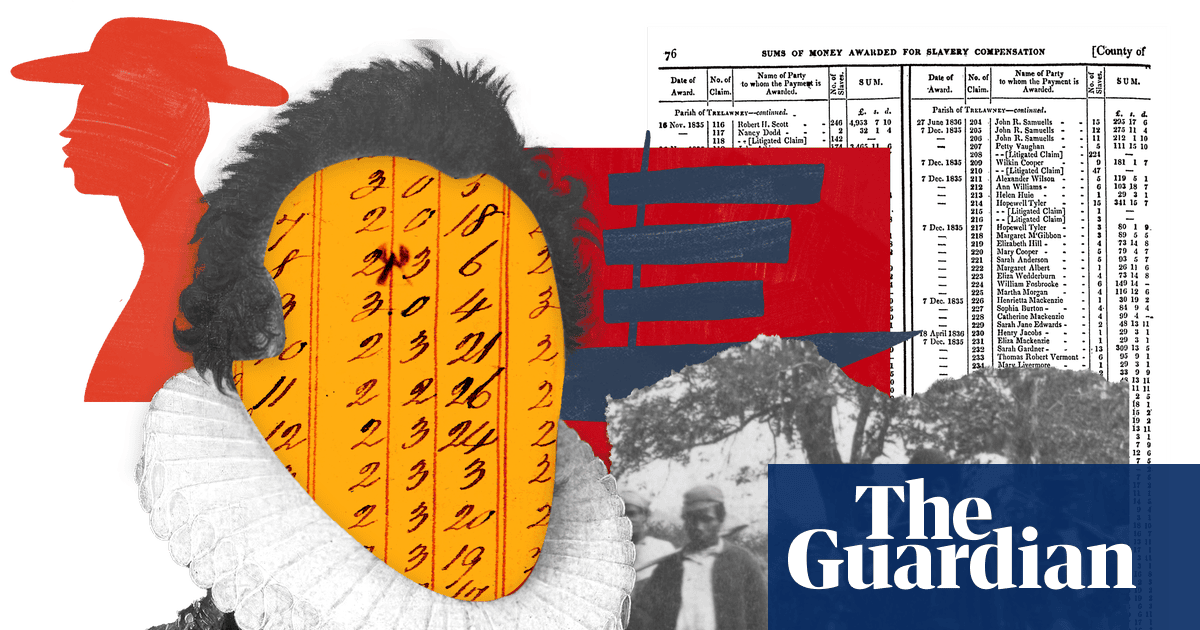
After three years of in-depth investigation, a group of historians has produced the Register of British Slave Traders, cataloging every known individual who invested in Britain’s slave trading operations over nearly 250 years, spanning from the 16th to the 19th centuries. This extensive work delivers detailed profiles and biographical information on thousands of financiers who supported the violent Atlantic trade that forced roughly three million African men, women, and children into enslavement.
The register identifies slave traders specifically as those who directly funded the transportation of enslaved Africans by ships, anticipating a share of the profits in return. This research builds on decades of studies tracking the broader European involvement in the trafficking of an estimated 12 million enslaved African people. A key foundation for this project was the Slave Voyages database, a joint academic initiative started in 2008 that documents the ships used, the number of captives transported and lost during the Atlantic passage, as well as details of owners and investors involved.
Beginning with early figures such as privateers and naval commanders—exemplified by Sir John Hawkins, whose 1560s expeditions were supported by prominent figures including Queen Elizabeth I and leading courtiers—the register chronicles the spread of investment from individuals to institutional entities. Institutional royal backing for slave trading became structured from 1660 onwards, with the establishment of companies such as the Company of Royal Adventurers into Africa, the Company of Royal Adventurers Trading
Read the full article from The Guardian here: Read More
Auto Amazon Links: No products found.