Auto Amazon Links: No products found.
This text appears to be an excerpt from an article discussing the history and experiences of Black communities in Liverpool, particularly focusing on Toxteth, the music scene, and social issues such as racial exclusion in nightclubs and the Toxteth riots of 1981.
Here are some key points summarized:
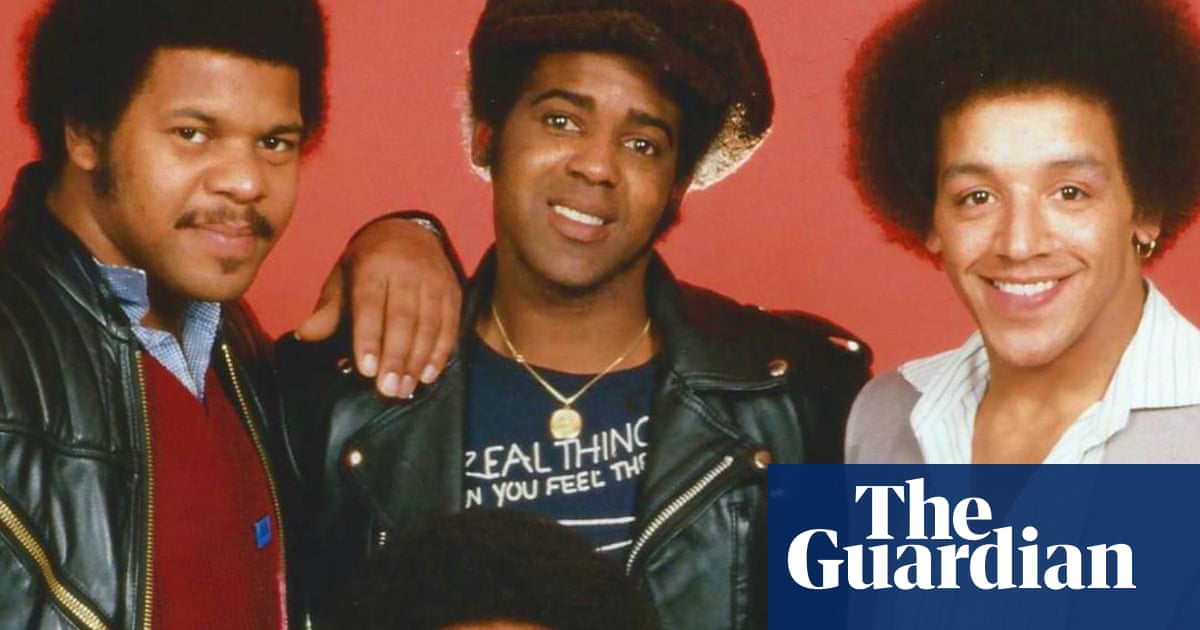
– Les Spaine and Chris Amoo were influential in Liverpool’s music scene. Spaine was a DJ using imported records, while Amoo formed the band The Real Thing. Both were somewhat immune to the colour bans in clubs that affected many Black people.
– The Timepiece club was a significant venue in Toxteth where Liverpool’s Black community could gather and enjoy music and culture. It was noted for playing Black music and for the culture and fashion of the soul boys who frequented it.
– Barbara Phillips of the vocal harmony group Distinction recalls the Timepiece as a unique place where people of all races who loved Black music felt safe.
– Liverpool has had Black communities since the 18th century, linked to the transatlantic slave trade, maritime workers from West Africa, and the Windrush generation. There is a recognition that Black presence in Liverpool predates the 1948 Windrush arrival.
– Growing up in Toxteth in the 1950s and 60s was marked by a multicultural community with challenges related to poverty and racial profiling. The deprivation and police harassment contributed to the 1981 Toxteth riots, a significant event resulting in injuries, damage, and a death.
If you want me to help with something specific about this article or text—such as summarizing, analyzing, or finding details—please let me know!
Read the full article from The Guardian here: Read More
Auto Amazon Links: No products found.