Auto Amazon Links: No products found.
Earlier this year saw the release of Paul McCartney’s album *The Boys of Dungeon Lane*, which carries a deep sense of nostalgia. One particularly reflective song, *Days We Left Behind*, recalls his youthful days spent with George Harrison and other friends along the Mersey shore. It also reveals a lesser-known side of McCartney: an avid birdwatcher in his youth.
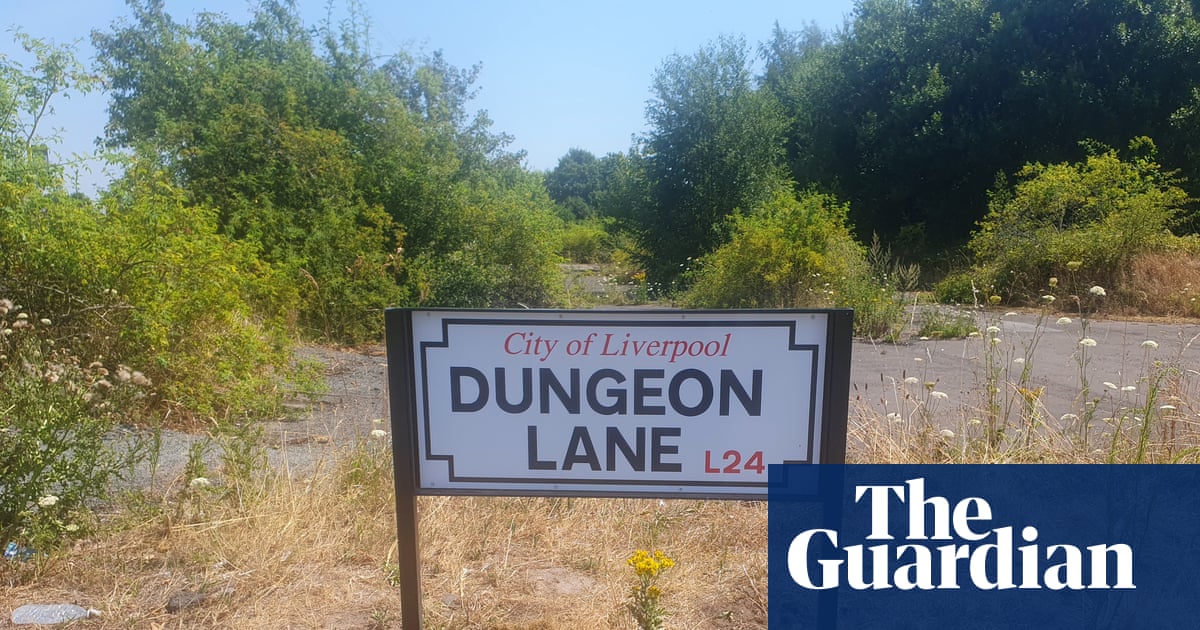
The album’s impact drew many fans to Dungeon Lane, eager to photograph the sign. However, the area around the Speke end of the lane, where most visitors gather, is somewhat disappointing. It is surrounded by leftover ruins of a demolished pub, a solar farm, and an electricity substation, lacking any scenic appeal.
Further down at Dungeon Lane’s southern tip is where McCartney likely took his binoculars. This part descends to Dungeon Bay and Oglet Shore, both important habitats for birds and other wildlife, much as they were in his day despite some coastal erosion. While the middle stretch of the lane was cut off by Liverpool John Lennon airport, nature enthusiasts can still reach the shore through an alternate route. Visitors in July might hear muted calls from goldfinches, linnets, and whitethroats. The area teems with dense bramble and flourishing wildflowers, with insects such as red soldier beetles and cinnabar moth caterpillars quietly going about their business.
The landscape holds traces of history predating the Beatles era. Stone pyramids used as tank traps during the Second World War still stand, and a sandstone wall near the shore marks vestiges of a 17th-century salt refinery’s quay, with faint graffiti etched into the stone. On this wall, two young girls sit gazing out toward the Mersey, appreciating its beauty much like McCartney might have in his youth. Passing walkers reflect on their childhood memories of Dungeon Lane, noting that fans tend to visit the “wrong” part of the lane rather than the quieter, more scenic southern end
Read the full article from The Guardian here: Read More
Auto Amazon Links: No products found.