Auto Amazon Links: No products found.
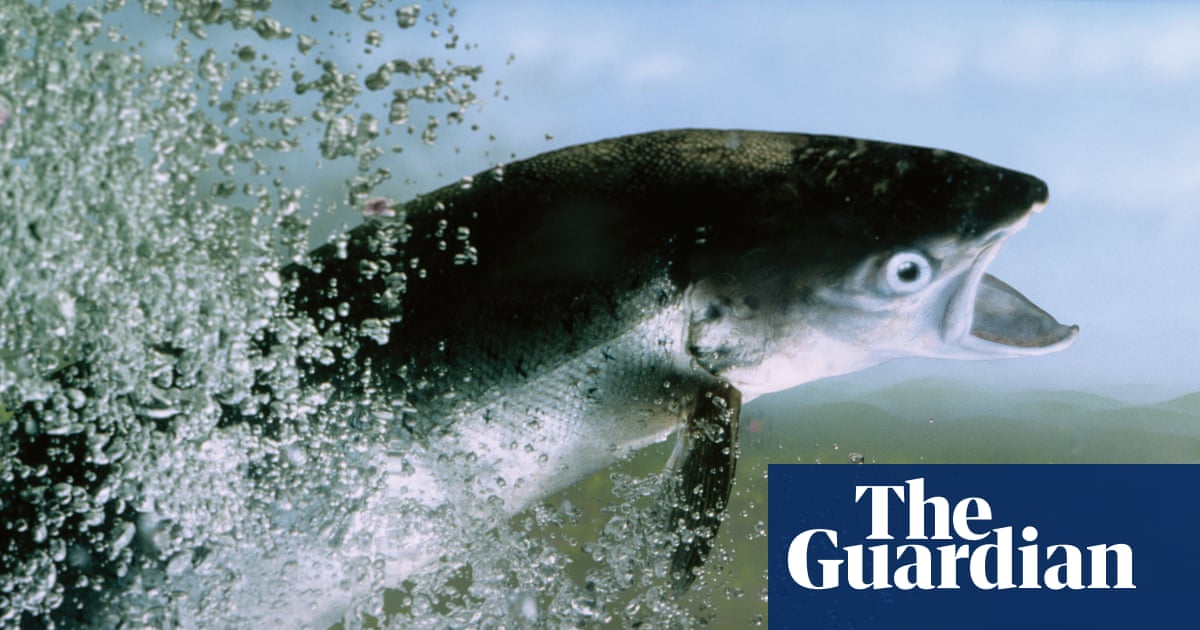
For the first time since 2015, young Atlantic salmon have been observed in three rivers located in north-west England, signaling a noteworthy positive shift in environmental conditions. These sightings occurred in the Mersey, Bollin, and Goyt rivers, and are significant given that the salmon species was classified as critically endangered in Britain in 2023. The presence of these fish confirms their successful migration from the Arctic Circle to freshwater spawning grounds.
According to a spokesperson from the Environment Agency, a new study on salmon distribution is planned for early next year. Speaking to the BBC, the spokesperson expressed excitement about the discovery of successfully spawning salmon, especially considering the species’ precarious conservation status. Atlantic salmon reproduce in freshwater gravel beds after spending two to three years feeding in the Arctic Ocean before returning to their birth rivers to spawn.
The decline of Atlantic salmon populations in Britain has been attributed to several challenges, including climate change, pollution, and the impact of invasive non-native species. Since 2006, the number of these fish has decreased by 30 to 50 percent. Mark Sewell, a wastewater catchment manager from United Utilities, told the BBC that many stretches of rivers once considered biologically dead during the 1980s have undergone remarkable recovery. Sewell noted, “Significant stretches of river were biologically dead in the 1980s but today they support thriving ecosystems and are home to a number of pollution-intolerant fish species. Those species are recovering thanks to a significant environmental turnaround.”
Barriers such as dams continue to pose threats to Atlantic salmon by obstructing their natural migratory routes. While the fish can swim up the Mersey to reach spawning grounds in the gravel beds of the Bollin, which flows through Cheshire, and the Goyt, running through Derbyshire and Stockport, other rivers present obstacles. For example, the River Tame cannot be accessed because of its weirs, and the River Irwell is blocked by the Mode Wheel locks at Salford Quays. Mike Duddy, representing the Salford Friendly Anglers Society, highlighted the need for improvements, saying, “If we wanted to do something for our future generations, now is the time to build a fish pass because there are huge numbers of people that would love to see salmon returning to the Roch and Irk, as well as the rivers in Bolton.” The species experienced a decline during the Industrial Revolution before making some recovery, only to be designated critically endangered once again two years ago. The Environment Agency aims to conduct an eDNA sampling study in early 2026 to gain a clearer understanding of the spawning range and the progress of the salmon’s recovery
Read the full article from The Guardian here: Read More
Auto Amazon Links: No products found.