Auto Amazon Links: No products found.
A memorable moment from the TV show *The Inbetweeners* features four troubled teenagers verbally attacking people waiting at a bus stop, conveying the idea that taking the bus is for “losers,” accompanied by a rude term. This notion, occasionally but incorrectly linked to Margaret Thatcher’s comment that any man over 26 who uses the bus is a loser, has become a deeply rooted stigma.
During my time as an MP, I noticed that in London, unlike many other major cities, catching a bus did not carry the same negative perception. It was frustrating to see the rest of the country tolerate inadequate public transport systems that were often derided as only suitable for “losers,” while London maintained a high-quality bus network managed under public ownership. I often wondered why similar standards could not be achieved in my home city of Liverpool.
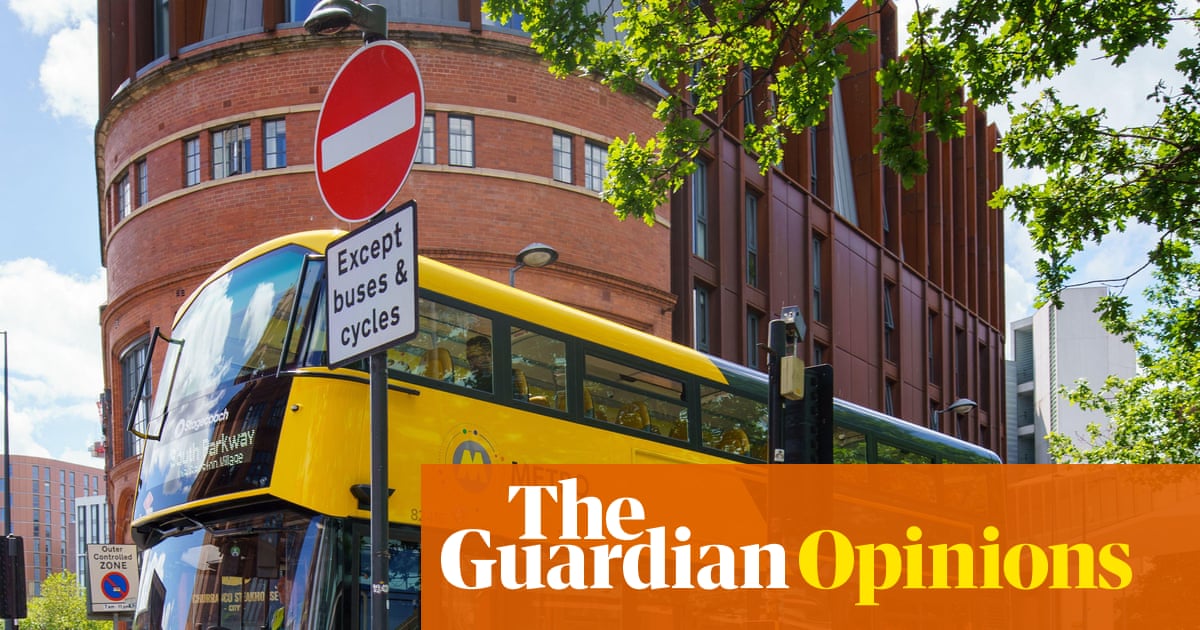
Recently, the Liverpool City Region Combined Authority has begun to challenge the long-standing Thatcherite belief that privatization is always better and public control is inherently flawed. After four decades, there is a move to bring buses back under public management, starting with St Helens in Merseyside and set to expand across the region. Rather than leaving private companies to determine bus routes and schedules, public authorities will now decide on routes, fares, and service quality. Though private operators will still run the services, the public sector will establish rules, tailor the network to community needs, and hold providers accountable. This marks the most significant change in decades for public transport in the area. While the technical details of franchising may go unnoticed by early morning passengers, these riders care deeply about buses arriving on time, enabling access to work, education, and healthcare.
This shift to public control prioritizes passengers’ needs, promising more frequent buses, extended evening and weekend services, improved connections to key locations, and simpler fare structures. Single fares remain capped at £2, consistent with the past four years. Immediate benefits are visible, such as a new express route linking St Helens to Liverpool John Lennon Airport. For families traveling on holiday, this means potentially avoiding costly parking fees, while job seekers have better access to employment at the airport. These improvements significantly enhance residents’ daily lives.
Public ownership also redefines the concept of value in transport. Instead of focusing narrowly on profitability, there is now a consideration of whether routes serve the community’s social and economic needs. For example, facilitating someone’s commute to work, a student’s journey to college, or allowing an elderly person to maintain independence holds importance beyond financial metrics. This approach extends beyond buses: a £500 million investment in new trains is underway, and plans are in motion to bring Merseyrail into public ownership by 2028. Additionally, the Royal Daffodil, the first new ferry across the Mersey in sixty years, built by a dedicated local workforce, is about to begin service.
The decades-long belief that privatization and deregulation would inherently improve transport services has been challenged by the real experiences of millions of passengers. Alongside former Greater Manchester Mayor Andy Burnham, I worked for years to demonstrate the benefits of empowering local leaders to shape critical services. Today, a Labour government is reversing this trend, taking railways back into public ownership and granting local officials increased authority over essential services that people rely on daily.
Following many years during which government involvement steadily diminished, there is now a renewed chance to show that active public administration can effectively serve communities. This shift began recently in St Helens and will continue to grow. My ambition is for the Liverpool City Region to develop the country’s best public transport network. I want visitors who board our buses, trains, or ferries to leave wondering, as I once did in London, why such quality service cannot exist everywhere in the UK
Read the full article from The Guardian here: Read More
Auto Amazon Links: No products found.