Auto Amazon Links: No products found.
Frank Clarke began writing the script for his film in 1981, working from his modest apartment in Toxteth, Liverpool. The story he envisioned was a working-class romance featuring two local girls from Kirkby who form relationships with Russian sailors visiting the Liverpool docks. Clarke aimed to weave a subtle political message into the narrative, reflecting the tense period of Margaret Thatcher’s premiership and the height of the Cold War. Despite the prevalent anti-Russian sentiment fueled by the media, Clarke refused to demonize an entire nation based on propaganda promoted by figures such as press baron Robert Maxwell.
After completing the script, Clarke approached every television company in the UK, all of which expressed admiration for his work but declined to fund it. This pattern of indirect rejection, often masked by claims of financial constraints, felt like a form of censorship to him. Meanwhile, Clarke’s connections within the local gay community proved serendipitous: heiress Fiona Castleton, who had stayed at his place one night, left a note inviting him to visit her. Once Clarke delivered the script to her family, her brother Charles was impressed and provided the financial backing necessary to move forward with production.
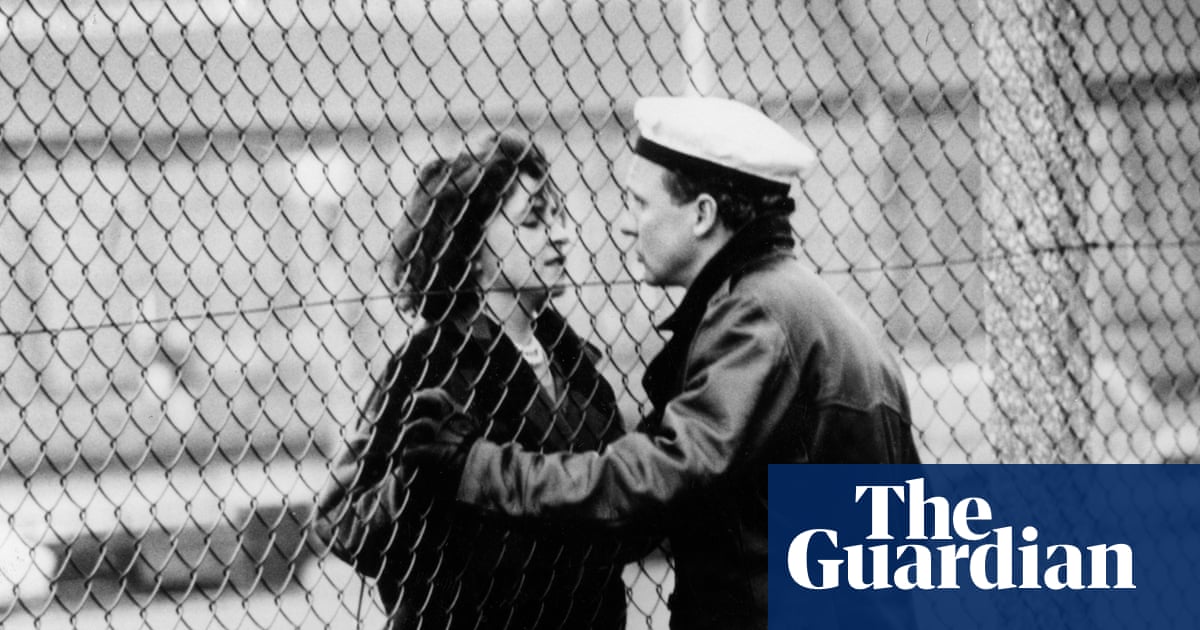
The film centers around the romantic relationship between Elaine, played by Alexandra Pigg, and Peter, a Russian sailor portrayed by Peter Firth. However, for Clarke, the most compelling element lies in Elaine’s friendship with Teresa, a role taken by Clarke’s sister Margi Clarke. While Elaine bravely travels to Russia in pursuit of her love, Teresa remains in Kirkby, continuing her life working at the local chicken factory after pairing with Sergei, played by Alfred Molina. Clarke reflects on the influence of his upbringing alongside seven sisters, whose quick wit and readiness to dispense sharp remarks contributed to the film’s authentic dialogue and character dynamics.
Today, Clarke has revisited and adapted the script for the stage, likening the process to reconnecting with old friends and inviting them for another turn on the dancefloor. Margi Clarke, who played Teresa, recalls how remarkable it was that Letter to Brezhnev was Frank’s first written work and that established actors like Peter Firth and Alfred Molina took part in it. She credits the director, Chris Bernard, for his strong guidance rooted in theater experience, which helped the cast capture the heart of each scene and eased their nerves during filming. Margi fondly remembers specific moments, such as her character’s transformation scene at Liverpool’s famed dancehall The State, drawing inspiration from classic Hollywood films like Now Voyager. She also emphasizes the film’s impact, noting how it humanized Russians during an era dominated by negative portrayals and celebrated the spirit of Kirkby, culminating in an unforgettable premiere attended by the local community
Read the full article from The Guardian here: Read More
Auto Amazon Links: No products found.